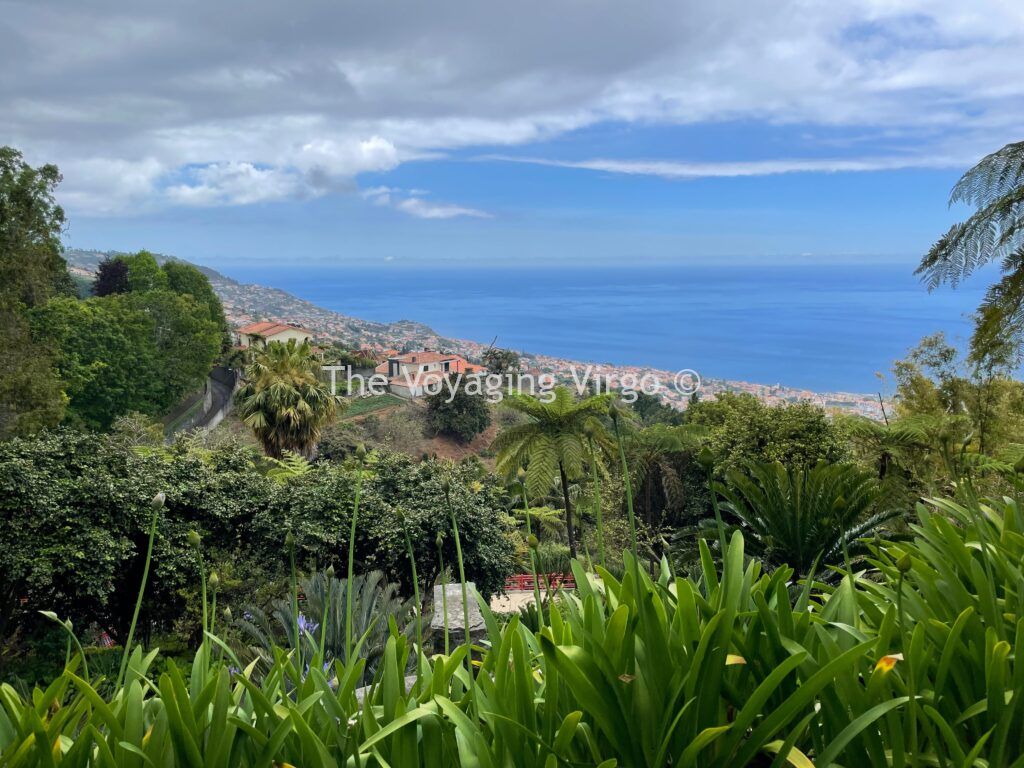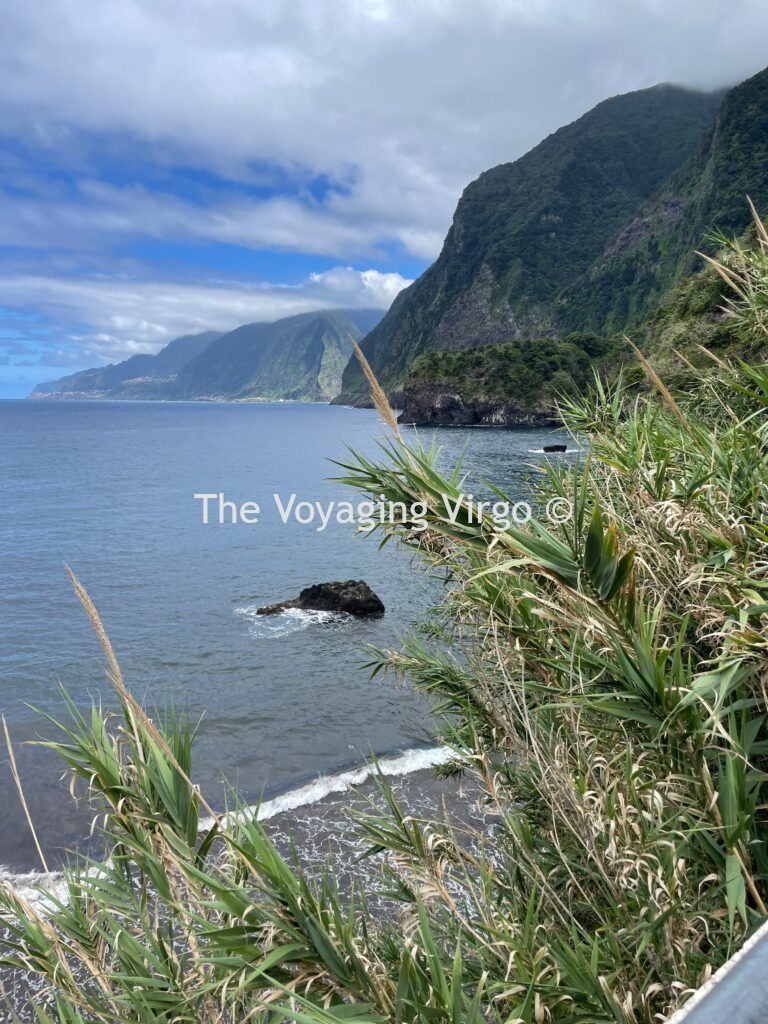
Madeira was one of those rare destinations that completely exceeded my expectations. I knew the Portuguese island was popular with hikers and nature lovers, but I hadn’t appreciated just how dramatic, green and varied it would be until I arrived.
Sitting in the Atlantic Ocean, off the north-west coast of Africa, Madeira combines rugged volcanic mountains, forested valleys, waterfalls and a wonderfully green coastline with a subtropical climate. Its many microclimates mean that you can leave a sunny Funchal and find mist shrouded forest elsewhere on the island.
It is also surprisingly accessible from the UK. Direct flights generally take around four hours, making Madeira an achievable destination for a long weekend or a five-day break. I travelled using easyJet and Jet2, and several UK airports offer direct services at different times of the year.
What makes Madeira particularly special is its variety. You can spend the morning hiking through the mountains, explore tropical gardens in the afternoon and finish the day at a restaurant overlooking the Atlantic. Funchal, the island’s coastal capital, offers museums, shops, gardens and an attractive Old Town, while Madeira’s wild interior is never far away.
I spent five days in Madeira without hiring a car, using a combination of organised tours, public transport and walking. This itinerary is ideal if you want to experience the island’s scenery and outdoor activities while still allowing yourself a little time to relax.
Day 1: Arrive and explore Funchal on foot
After landing in Madeira, check into your hotel and use your first day to get acquainted with Funchal.
The city is built across steep slopes facing the Atlantic, almost like a natural amphitheatre. Funchal is a compact, attractive city that is best explored by simply walking around. For your first day, I would avoid planning too many formal attractions. Instead, use the afternoon as a relaxed introduction to the city: visit the market, wander through the Old Town, walk beside the sea and stop whenever somewhere catches your attention.
Funchal’s historic Old Town, known as Zona Velha, is centred around Rua de Santa Maria. The newer city centre extends westwards around Funchal Cathedral, Avenida Arriaga and the Municipal Garden. The distinction is not rigid, and you can walk easily between the two.
Start at Mercado dos Lavradores
Begin at Mercado dos Lavradores, Funchal’s colourful farmers’ market. The tiled 1940s building contains flower stalls, tropical fruit, vegetables, spices and a separate fish market.
The currently published opening hours are:
| Day | Opening Hours |
| Monday – Thursday | 7am-7pm |
| Friday | 7am – 8pm |
| Saturday | 7am – 2pm |
| Sunday | Closed |
Hours may differ on public holidays, so check the official Mercado dos Lavradores information before visiting.
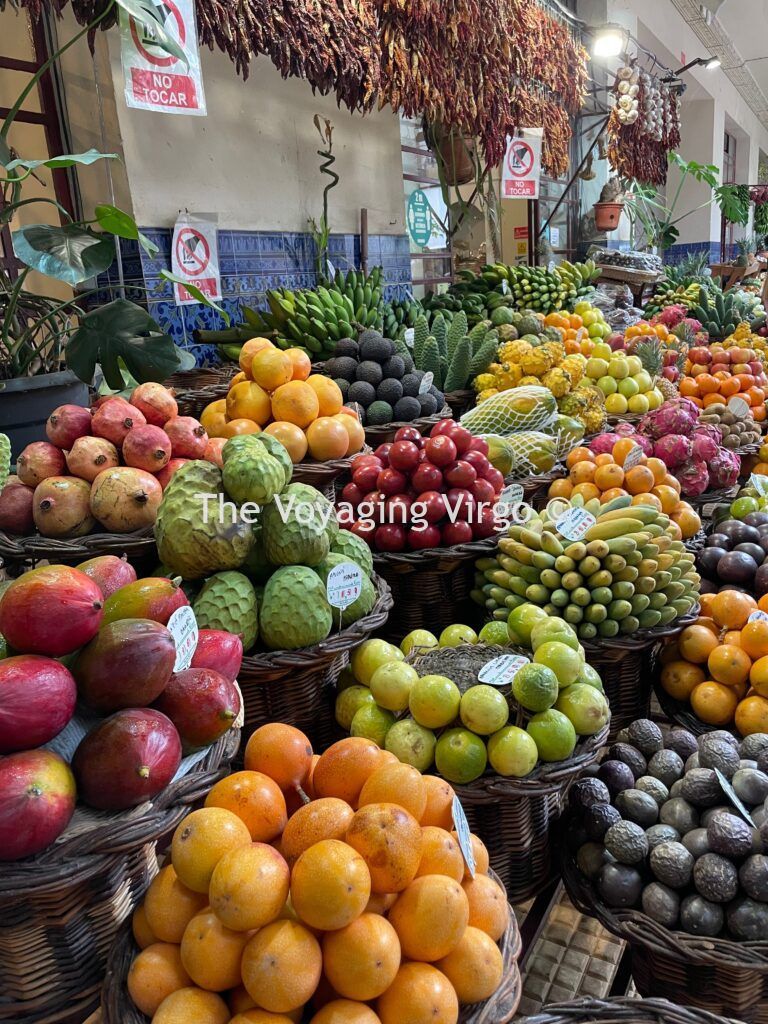
The market is worth seeing, but I would be cautious about buying fruit. Some vendors charge extremely high tourist prices, so always establish the full price before agreeing to a purchase.
Wander through Funchal Old Town
From the market, walk into the Zona Velha and along Rua de Santa Maria. This cobbled street is famous for the Portas Pintadas project, which transformed its doors and building façades into an open-air art gallery.
The surrounding lanes contain restaurants, cafés, small galleries and souvenir shops. Rua de Santa Maria is the closest thing to a main Old Town street, although it is more about restaurants, street art and independent businesses than mainstream shopping.
This is a lovely part of Funchal in which to potter without following a strict route. It is compact, colourful and full of small details that are easy to miss when rushing between attractions.
Walk along Avenida do Mar
Continue towards Avenida do Mar, which follows Funchal’s waterfront. This is an easy, relaxing walk beside the marina and harbour, with views of the sea, cruise ships and the steep green hills surrounding the city.
You will also pass the lower cable-car station for Monte, although I would save the cable car and gardens for another day when you have more time.
Avenida Arriaga and Funchal Municipal Garden
From the waterfront, wander along Avenida Arriaga, Funchal’s broad, tree-lined central avenue (and my personal favourite spot to people watch with an ice-cream). This area contains cafés, historic buildings, shops and several of the city’s main gathering spaces.
Beside the avenue is Jardim Municipal do Funchal, the attractive garden opposite The Ritz Madeira. This was one of my favourite areas in the centre. The garden contains tropical plants, shady trees, water features and an amphitheatre used for cultural performances.
The area around the Ritz, the garden and nearby Rua de São Francisco is particularly pleasant for sitting with a coffee or having dinner. Portaliano, my favourite restaurant in Funchal, is also close by (see below).
Shopping in central Funchal
For shopping, walk along Rua Dr. Fernão de Ornelas, one of Funchal’s principal pedestrianised commercial streets. It combines longstanding local businesses with newer shops, cafés and bakeries.
Avenida Arriaga, Rua da Carreira and the smaller connecting streets are also enjoyable for browsing local shops, Madeiran embroidery, gifts and independent businesses.
Mainstream brands such as Zara and H&M are not concentrated on one central shopping street. Both can be found at Forum Madeira on Estrada Monumental in São Martinho. Other shopping centres include Plaza Madeira, which is closer to the city centre, and Madeira Shopping further inland.
Finish at Santa Catarina Park
If you still have energy, finish at Parque de Santa Catarina, west of the city centre. The park overlooks Funchal’s harbour and contains large lawns, gardens, a lake and seating areas.
It is a peaceful place to rest after walking around the city and offers lovely views across the bay. The park currently opens daily from 7am until 10pm between 22 March and 22 September, closing at 8pm during the remainder of the year. Santa Catarina Park visitor information
Day 2: Pico do Arieiro sunrise and Monte
Watching the sunrise at Pico do Arieiro
My second day began with one of the highlights of the entire trip: watching the sunrise at Pico do Arieiro.

I booked this organised sunrise excursion through GetYourGuide, which included an early hotel pickup and transport into Madeira’s mountainous interior.
My pickup was at approximately 4.30am. One thing to note is that the journey climbs through numerous winding mountain roads, so if you are prone to motion sickness like me, I highly recommend taking medication before hitting the road. I didn’t and felt extremely nauseous!
Once we arrived, we walked towards the viewpoint in complete darkness. I therefore recommend bringing the following:
- Warm, breathable layers
- A waterproof or wind-resistant jacket
- Shoes with reliable grip
- A head torch or small torch
- Water
- Motion-sickness medication
The ground can be dark, uneven and slippery. I managed to take a small tumble, so this is one occasion when proper footwear and a light really do matter! Pico do Arieiro is no longer a hidden attraction, and several groups gather before sunrise. Arriving early gives you a better chance of finding an unobstructed viewing spot.
As the sun rose above the clouds and illuminated the mountain peaks, the early start immediately felt worthwhile. The scenery was spectacular!
Depending on current trail access and your tour, you may be able to complete a short section of the mountain path before returning. My excursion provided enough time to sample the walk rather than completing a full hike, and I was back at my hotel at around 9am. Pico do Arieiro is itself a full day and really worthwhile hike. I would have done it had I not been short of time, but you can I would definitely recommend it. The views were some of the most stunning I’ve seen outside of South America! It isn’t an easy hike though so do bare that in mind if you’re considering it.
Always check the official Madeira trail-status page immediately before visiting, as mountain routes can close or operate with restrictions.
Take the cable car to Monte
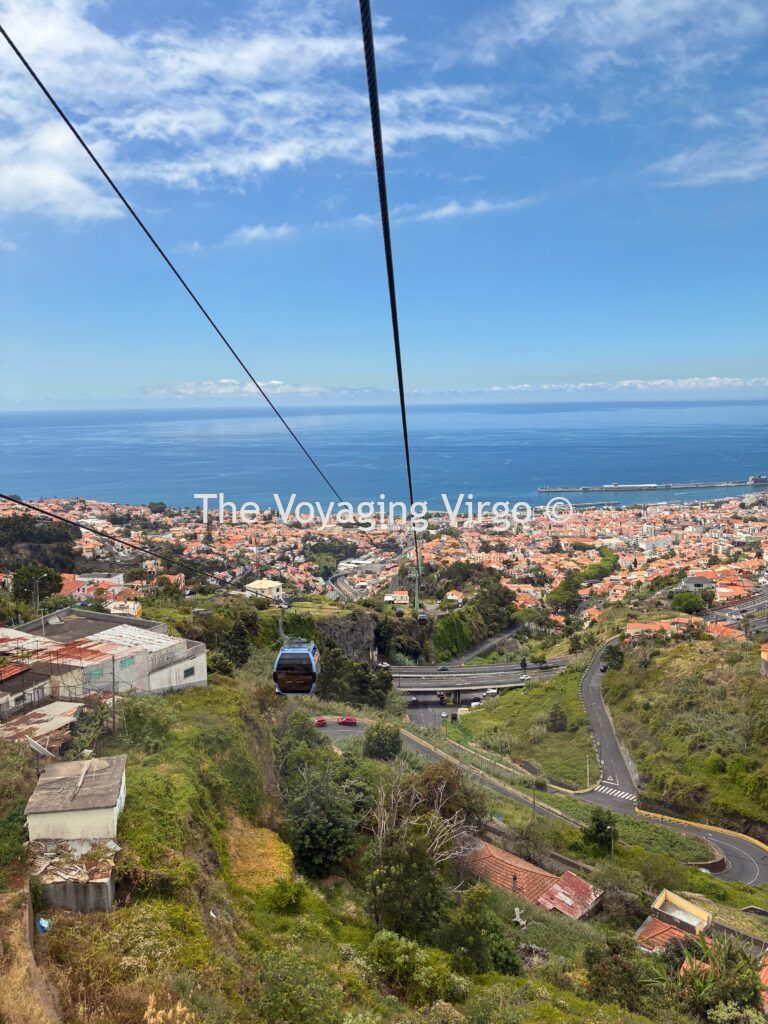
After returning from Pico do Arieiro, I travelled from Funchal’s Old Town up to Monte. Although it is tempting to treat Monte as a quick cable-car excursion, I would allow at least half a day, and preferably most of a day if you intend to visit both major gardens.
The cable-car journey is an experience in itself, providing expansive views over Funchal’s terracotta rooftops and the Atlantic. My honest opinion is that the Funchal cable car is expensive and rather touristy. I would take it in one direction for the panoramic experience, then return by public bus or Bolt. I would also just opt for the normal cable car than the more expensive ‘glass floor’ option, it’s slightly overrated.
The main Funchal–Monte journey takes approximately 15 minutes; buses 20, 21, 22 and 48 provide a much cheaper alternative.
Monte Palace Madeira is a sprawling tropical garden containing exotic plants, water features, sculptures, tiled panels and far-reaching views over the city. It is somewhere you could easily spend several hours. It is worth noting that Monte Palace Tropical Garden and Madeira Botanical Garden are two separate attractions. If you want to visit both, allow considerably more time and check the transport connections and opening hours in advance.
- Monte Palace Tropical Garden, the larger and more theatrical attraction, with lakes, tropical plants, Oriental gardens, tiled panels, sculptures and museum collections. The official Monte Palace website currently lists adult garden admission at €18. Monte Palace visitor information.
- Madeira Botanical Garden – Eng.º Rui Vieira, a separate botanical garden containing approximately 3,000 plant species, a natural-history museum, viewpoints and formal landscaped areas. It is around three kilometres from central Funchal and can be reached from the Monte area using the separate Botanical Garden cable car. Official visitor information.
Other things to do in Monte include:
- Visiting the Church of Our Lady of Monte
- Seeing the tomb of Charles I, the last emperor of Austria
- Walking through Monte Municipal Park
- Visiting the art and mineral collections inside Monte Palace
- Trying the traditional wicker toboggan ride (one for the thrill seekers! A bit pricey and touristy but maybe worth trying).
- Stopping at one of the hillside cafés for lunch or coffee
There are several pleasant cafés where you can sit outside and look down towards Funchal. Monte’s elevated setting and cooler air make it an enjoyable place to slow down, so this is not an area I would rush simply to tick off the main attractions.
Day 3: West Madeira Jeep Tour
On my third day, I joined a full-day 4×4 tour of northern and western Madeira, which I booked through GetYourGuide. Madeira’s roads are steep and winding, and many of its natural attractions are spread across the island. Having a guide and transport removed the logistical pressure and allowed me to enjoy the scenery.
I was collected from my hotel at around 9am and travelled in a small group of approximately six people, accompanied by a driver and a guide. The tour cost around £50–£60 and finished back in Funchal at approximately 4pm or 5pm.
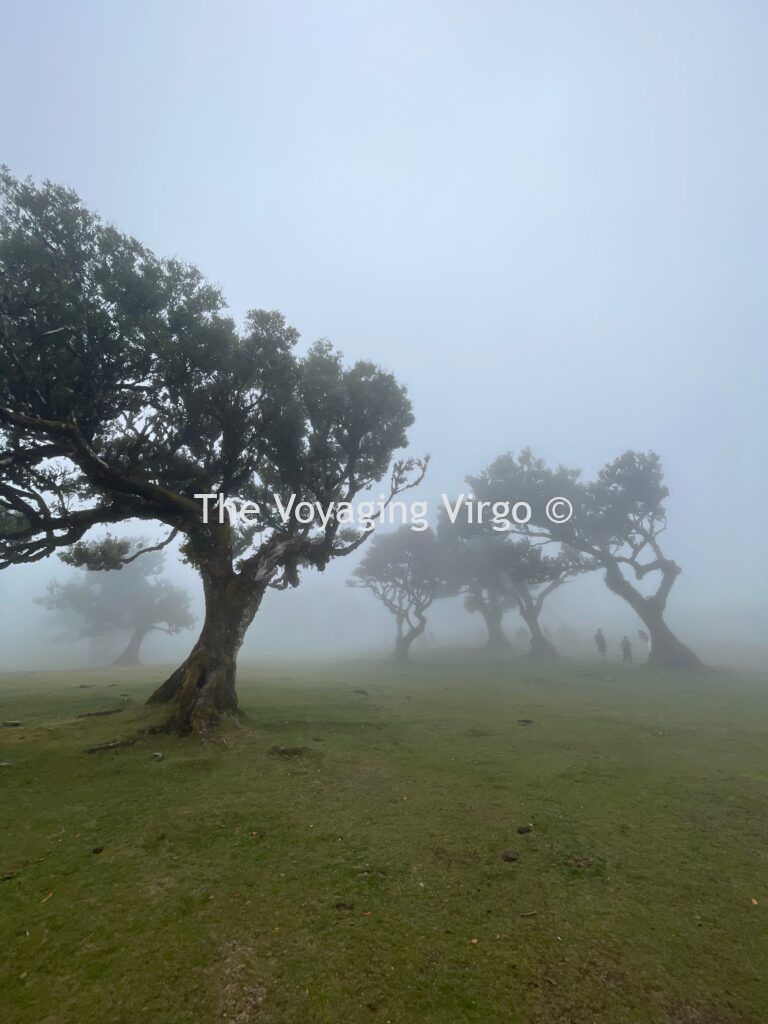
During the day, we visited Cabo Girão, travelled off-road through the mountains above Serra de Água and continued along the north coast to São Vicente, Véu da Noiva, Seixal Beach and the volcanic pools of Porto Moniz. We then climbed into the misty Fanal Forest before finishing in sunny Ponta do Sol. The open-top jeep, changing landscapes and Madeira’s remarkable microclimates made the journey as enjoyable as the individual stops.
Although it is impossible to see the whole island in one day, the tour provided a brilliant overview of Madeira’s north and west coasts and was particularly convenient for a short, car-free trip. You can read my full review of the West Madeira Jeep Safari, including every stop, what to pack and whether I thought it was worth the price, here.
Day 4: Hike PR6 25 Fontes and PR6.1 Risco
On my fourth day, I completed two of Madeira’s most popular waterfall walks: PR6 Levada das 25 Fontes and PR6.1 Levada do Risco.

You will see the word levada everywhere when researching Madeira. Levadas are narrow irrigation channels originally constructed to carry water from the wetter parts of the island to agricultural areas. Many are accompanied by maintenance paths that now form an extensive network of walking routes through forests, valleys and mountains. These walks are one of Madeira’s most distinctive experiences.
I considered several routes, including PR9 Levada do Caldeirão Verde, but ultimately chose PR6 Levada das 25 Fontes in the Rabaçal Valley. This is one of Madeira’s most popular walking areas, so start early if possible. It leads through lush vegetation towards a lagoon fed by numerous small waterfalls. The official route is approximately 4.3 kilometres each way, although your total walking distance may be longer depending on where your transport drops you.
Madeira introduced a revised reservation and charging system for its classified walking trails from 1 January 2026. Visitors currently need to reserve a time before entering a classified PR trail. The standard 2026 visitor charge for an individual trail other than the full PR1 route is €4.50. Bookings and payment can be made through the official SIMplifica portal. If you join an organised excursion, check whether the operator completes the reservation for you or whether you must do it yourself.
I booked a return transfer through GetYourGuide. I was collected from my hotel at around 8.30am, given approximately five hours to explore both trails and returned to Funchal at around 4pm.
The walk takes you through Madeira’s wonderfully green Rabaçal Valley to two beautiful waterfall viewpoints. Five hours was just enough for me to complete both routes at a leisurely pace, stop for photographs and enjoy lunch at Rabaçal Nature Spot Café. Although the outward walk is relatively manageable, the return involves uphill sections and numerous steps. Wear shoes with reliable grip, as the paths beside the levadas can be narrow, wet and slippery.
You can read my complete guide to hiking PR6 25 Fontes and PR6.1 Risco, including the route, difficulty, what to wear and whether five hours is enough, here.
Day 5: Afternoon tea at Reid’s Palace

After several early starts and active days, I deliberately kept my final day quieter. I had shifted over to the slightly more upscale Pestana Quinta Perestrello hotel the previous night and wanted to enjoy the beautiful hotel and gardens.
I had considered booking this canyoning experience. It is an activity I previously enjoyed in Costa Rica, and Madeira’s rugged landscape makes it a tempting place to try it again. In the end, however, I realised that another physically demanding excursion would leave me more exhausted than exhilarated so opted for a more refined afternoon
If you have more energy, or prefer adrenaline to afternoon tea, you could add canyoning to your final day.
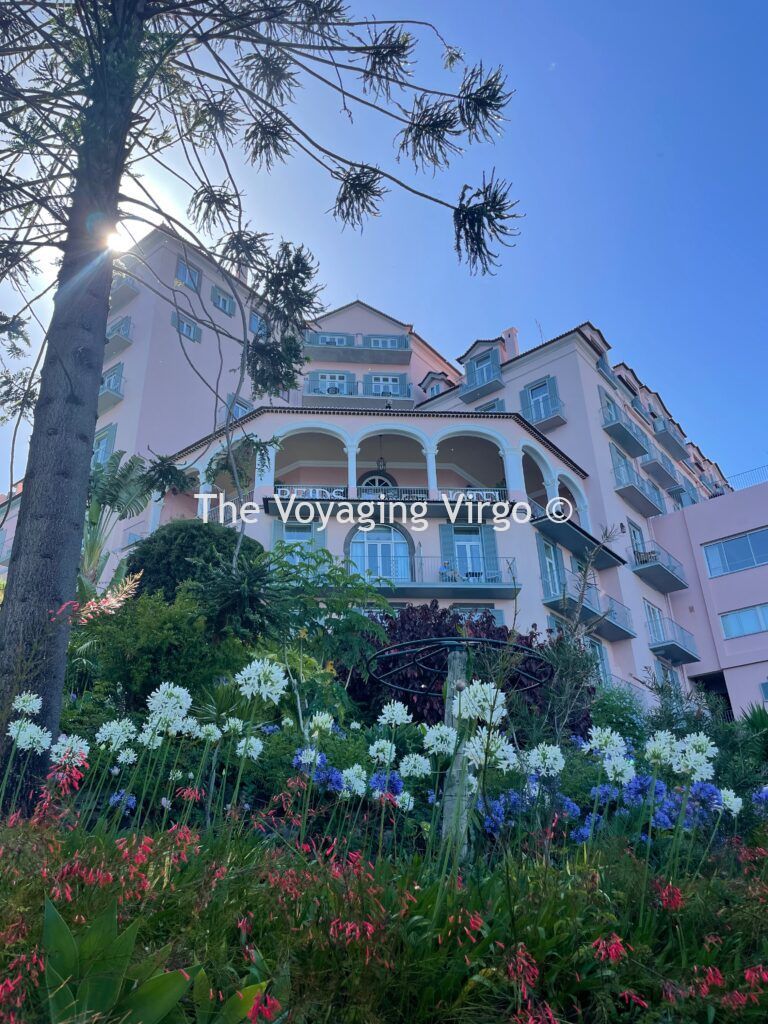
Reid’s Palace is one of Madeira’s most luxurious (and expensive) hotels. Staying overnight will be beyond many visitors’ budgets, but booking afternoon tea provides a taste of the experience without paying for a room.
I paid €60, approximately £50–£55, for a selection of finger sandwiches, scones and pâtisserie served with a selection of teas. During my visit, the food was unlimited and additional items were available on request, although one tray was more than enough for me.
The food itself was pleasant rather than exceptional. You are primarily paying for the setting, service and experience of spending an afternoon at one of Madeira’s most famous hotels. As a vegetarian, I was catered for very well. Reid’s can also accommodate vegan and gluten-free requirements on request, but I would specify any dietary needs when booking rather than waiting until you arrive.
Afternoon tea is served on the hotel’s terrace overlooking Funchal and the Atlantic. It is well worth doing on a clear, calm day, when you can properly appreciate the view. If the forecast is very windy, rainy or heavily overcast, I would reconsider: the terrace and scenery are a significant part of what makes the €60 price worthwhile.
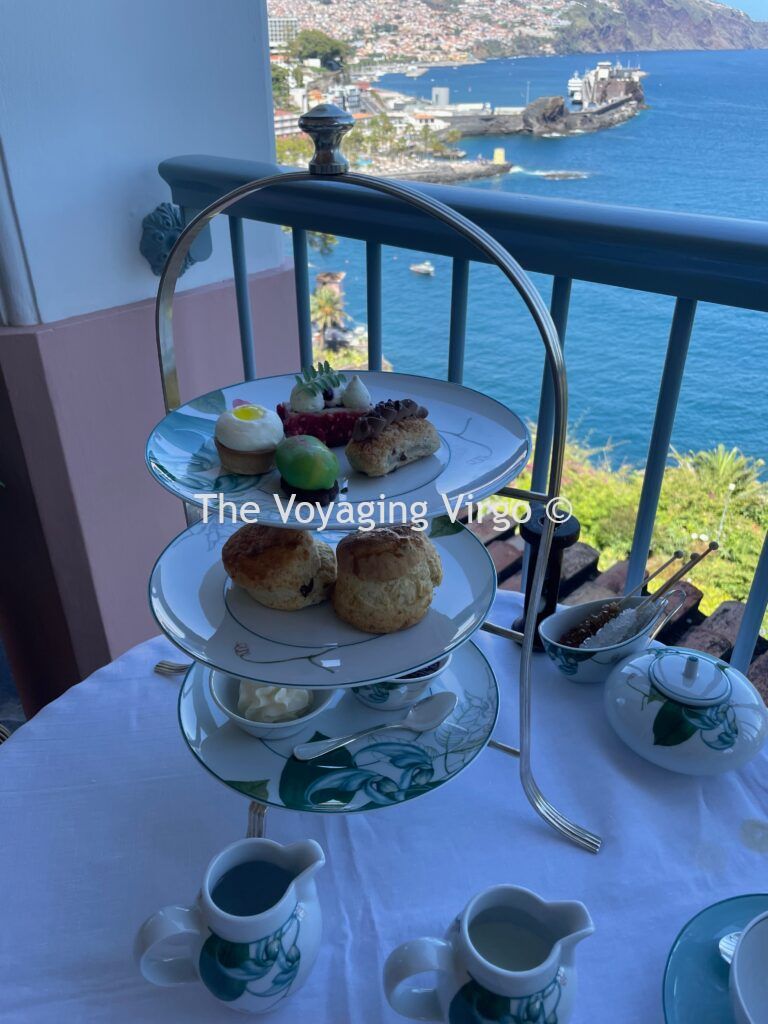
My booking lasted around 90 minutes. The service was excellent, the terrace did not feel overcrowded and there was enough time to enjoy the food without feeling hurried. Afterwards, I was also able to walk through the hotel’s private subtropical gardens, which are generally reserved for guests. Check whether garden access is still included when you book.
There is a smart-casual dress code, with sportswear, flip-flops and hiking clothes discouraged. After several days of outdoor activities, I enjoyed putting on a dress and having a slightly bougie afternoon. It felt like a genuine treat and was one of the most memorable experiences of my trip.
Book well in advance and check the current price, dress code and dietary arrangements on the official Reid’s Palace website.
Essential Madeira travel tips
Who is Madeira best suited to?
Madeira is not a conventional hot beach destination. Its climate, landscape and atmosphere are very different from a resort holiday in Greece, Turkey or southern Spain.
If your priority is lying on a sandy beach in consistently hot weather, Madeira may not be the right choice. Its greatest attractions are its mountains, levada walks, waterfalls, gardens, viewpoints and dramatic volcanic coastline.
Madeira traditionally attracted older visitors and cruise passengers, but it is increasingly popular with travellers in their thirties and forties who come for hiking, canyoning, coasteering, water sports and other outdoor activities.
The island has a calm, refined atmosphere. It is not generally associated with noisy nightlife, pub crawls, stag parties or hen weekends. Funchal has bars and evening entertainment, but the overall mood is relaxed rather than rowdy.
Families can certainly enjoy Madeira, particularly those with older children who like nature and outdoor activities. However, it is not as focused on young children as a purpose-built family resort with sandy beaches, kids’ clubs and extensive child-centred entertainment.
Is Madeira safe for solo travellers?
I felt very safe travelling alone in Madeira, both during the day and when walking around Funchal in the evening. The city has a relaxed atmosphere, and I never felt uncomfortable returning to my hotel after dinner.
Normal precautions still apply: look after your belongings, use reputable transport and avoid isolated walking routes after dark. Hiking creates more significant practical risks than street crime, so check trail conditions, carry appropriate equipment and tell someone where you are going.
Getting from Madeira Airport to Funchal
For travelling between Madeira Cristiano Ronaldo International Airport and Funchal, my preferred option is Bolt. I found Bolt safe, reliable and reasonably priced: my journey from the airport cost €14, while the return trip cost €19. I would budget approximately €15–€20 each way, although fares vary depending on demand, traffic and your accommodation’s location.
Alternatively, you can:
- Pre-book an airport transfer through Booking.com: A reassuring option if you want your journey arranged in advance and a driver waiting when you arrive.
- Take a taxi from the airport rank: Convenient if you haven’t booked anything, although it will probably cost more than Bolt.
- Arrange a transfer through your hotel: Easy and dependable, but ask for the price beforehand because hotel transfers can be comparatively expensive.
Overall, I think Bolt offers the best balance of convenience and price. For the return journey, I would allow additional time and book your car slightly earlier than necessary in case demand is high.
Madeira’s weather and what to pack

Madeira has a mild subtropical climate. Average temperatures are approximately 15°C in winter and 25°C in summer, although local conditions vary considerably with elevation and location. Official Madeira weather information.
The weather can change rapidly. Funchal may be warm and sunny while the mountains are cold, windy, wet or covered in cloud.
For hiking and day tours, pack:
- Sturdy trail shoes or hiking boots
- Quick-drying trousers or leggings
- Breathable tops
- A light fleece
- A packable waterproof jacket
- Sun protection
- A reusable water bottle
- A head torch
Ordinary trainers can become slippery on wet levada paths. A head torch is useful for sunrise excursions and for levada routes passing through tunnels. Dressing in layers will allow you to adjust as you move between Madeira’s different microclimates.
Is five days in Madeira enough?
Five days is enough for an excellent introduction to Madeira, but it is not enough to see everything.
This itinerary gave me a rewarding combination of mountain scenery, levada walking, Funchal sightseeing, a road trip and relaxation. I left feeling that I had experienced several different sides of the island, but also with plenty of reasons to return.
If you have seven days, I would add PR9 Levada do Caldeirão Verde, a canyoning excursion or time on Madeira’s eastern peninsula. With ten days, you could travel at a gentler pace and stay outside Funchal for part of the trip.
Staying Connected in Madeira: Using an eSIM
I use Airalo whenever I need mobile data abroad and have found it incredibly convenient. You can choose a package based on the length of your trip and the amount of data you expect to use. Installation is straightforward, provided your smartphone supports eSIMs, check your device’s compatibility before purchasing.
Having data as soon as you land is particularly helpful because you can order a Bolt, access Google Maps, contact your accommodation and look up restaurants without relying on airport or hotel Wi-Fi. It is equally useful when you’re hiking, exploring Funchal or travelling around the island.
An eSIM can also help you avoid unexpectedly high roaming charges from your usual mobile provider. However, check whether Portugal is already included in your existing plan before buying one, as some UK networks offer European roaming packages.
I recommend installing your eSIM before leaving home while you have reliable Wi-Fi, then following Airalo’s instructions to activate it when required. Choose a package that comfortably covers your five-day trip, and monitor your remaining data through the app.
Should you hire a car?
A hire car provides flexibility, but I would only recommend driving in Madeira if you are reasonably confident. Some roads are exceptionally steep, narrow and winding.
I saw tourists struggling with clutch control and rolling backwards while attempting hill starts. If you decide to hire a car, a small automatic may make the steep roads considerably less stressful. Check that the vehicle has enough power for hills and consider parking availability at your accommodation.
I chose not to drive and explored using organised tours, hotel transfers, buses, cable cars, Bolt and walking. For a short trip based in Funchal, this worked well.
Vegetarian food in Madeira
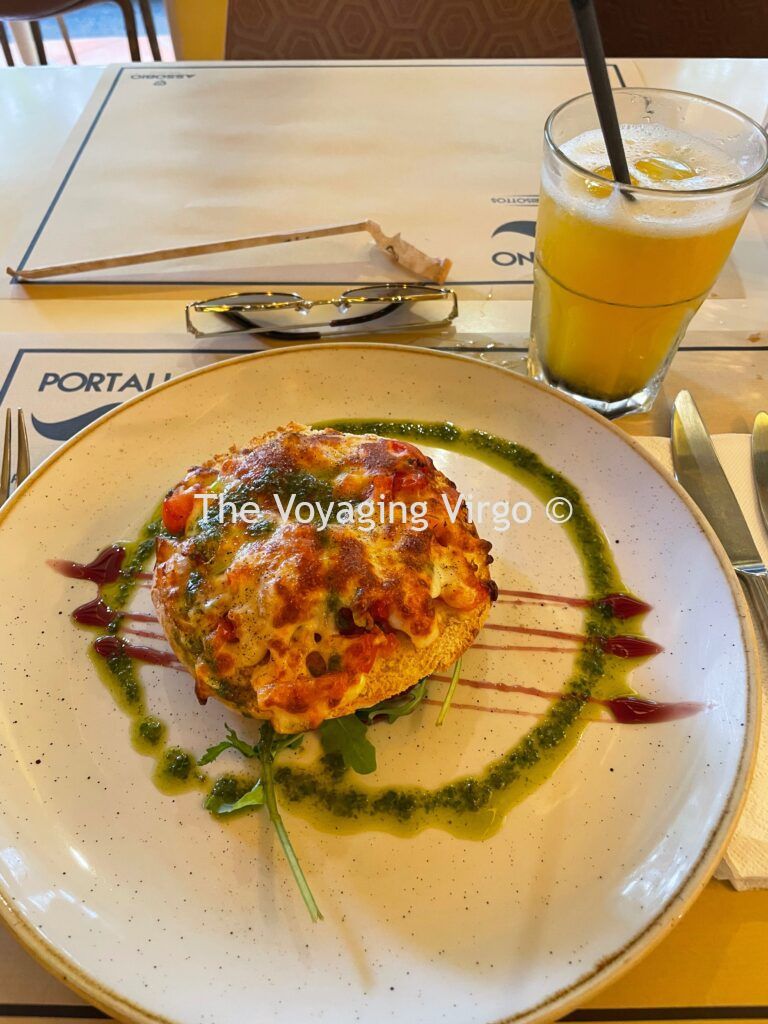
Vegetarians will not struggle to find food in Funchal, although the choices can become repetitive. Traditional Madeiran cuisine is heavily centred on meat and fish, so I found myself eating Italian food fairly often.
Funchal has Italian, Indian and international restaurants, alongside cafés serving paninis, salads and light meals. You may not be able to sample as much traditional cuisine as a meat-eating visitor, but there is still ample choice.
One local speciality every vegetarian should try is bolo do caco. This soft Madeiran flatbread is made partly with sweet potato and is particularly good served warm with garlic butter. It is available across the island and can also be used for toasted sandwiches. I have linked a separate article on the vegetarian food option in Funchal here.
Where to stay in Funchal
For convenient access to the Old Town, restaurants, shops, Mercado dos Lavradores and the Monte cable car, stay in central Funchal, particularly around Sé or Santa Maria Maior. This is the best option if you want to do most of your city sightseeing on foot. I stayed at Sé Boutique Hotel.
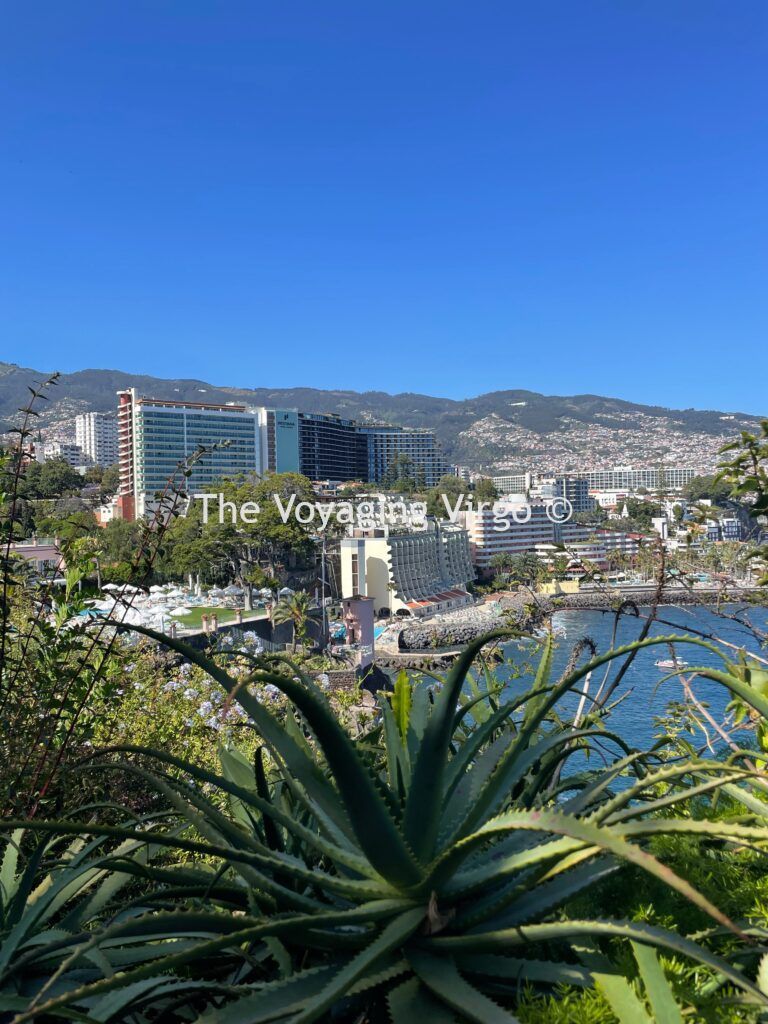
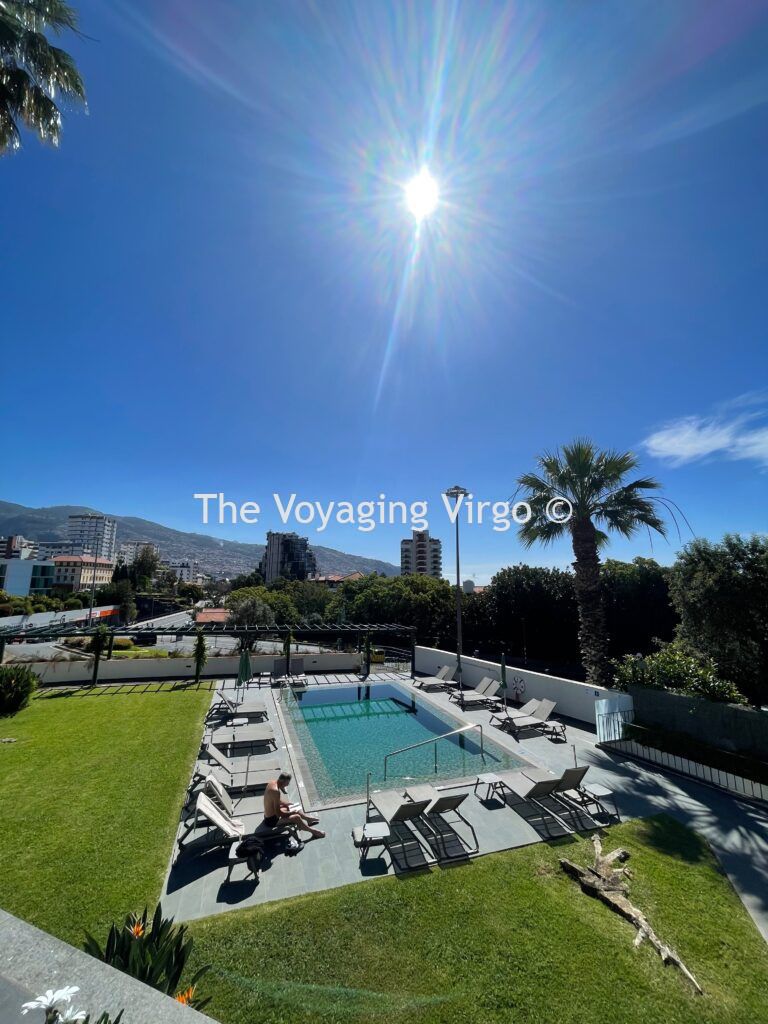
For a quieter, more resort-style stay, consider São Martinho, west of the centre. This is where many of the larger hotels are located, often with swimming pools, sea views and tropical gardens.
My second hotel, Pestana Quinta Perestrello, was in this area. It felt peaceful but was still only around a 15-minute walk from central Funchal along a pleasant route. I found the walk comfortable and safe, including in the evening.
Booking Madeira day tours
GetYourGuide made it easy to reserve excursions in advance and gave me confidence that my itinerary was organised before arriving. However, once in Madeira, I noticed local tourist offices advertising similar trips for less than I had paid online.
If you are travelling during a busy period or have a fixed itinerary, booking in advance provides certainty. If your schedule is flexible, compare GetYourGuide prices with local operators after arriving, you may find a better deal.
I booked my day tours through GetYourGuide because I wanted to secure my place before travelling. Local agencies in Funchal sometimes offer similar excursions at lower prices, so it is worth comparing your options if your itinerary is flexible.
The best side of the plane for Madeira views
When flying to Madeira from the UK, a seat on the right-hand side may provide the best island views on approach. When leaving, try the left-hand side.
However, the exact approach and departure path depend on the runway in use and the wind direction, so the view cannot be guaranteed.
Final thoughts on Madeira
Madeira genuinely blew me away. Its landscapes were more dramatic, its vegetation more luxuriant and its experiences more varied than I had expected.
It is particularly rewarding for travellers who love being outdoors but do not want every day to feel like an endurance test. You can hike beside a levada in the morning, wander through a tropical garden in the afternoon and enjoy an elegant hotel terrace before flying home.
For me, that balance of adventure, nature and comfort is exactly what made Madeira so special and I look forward to returning to explore the rest of what the beautiful pearl of the Atlantic has to offer.